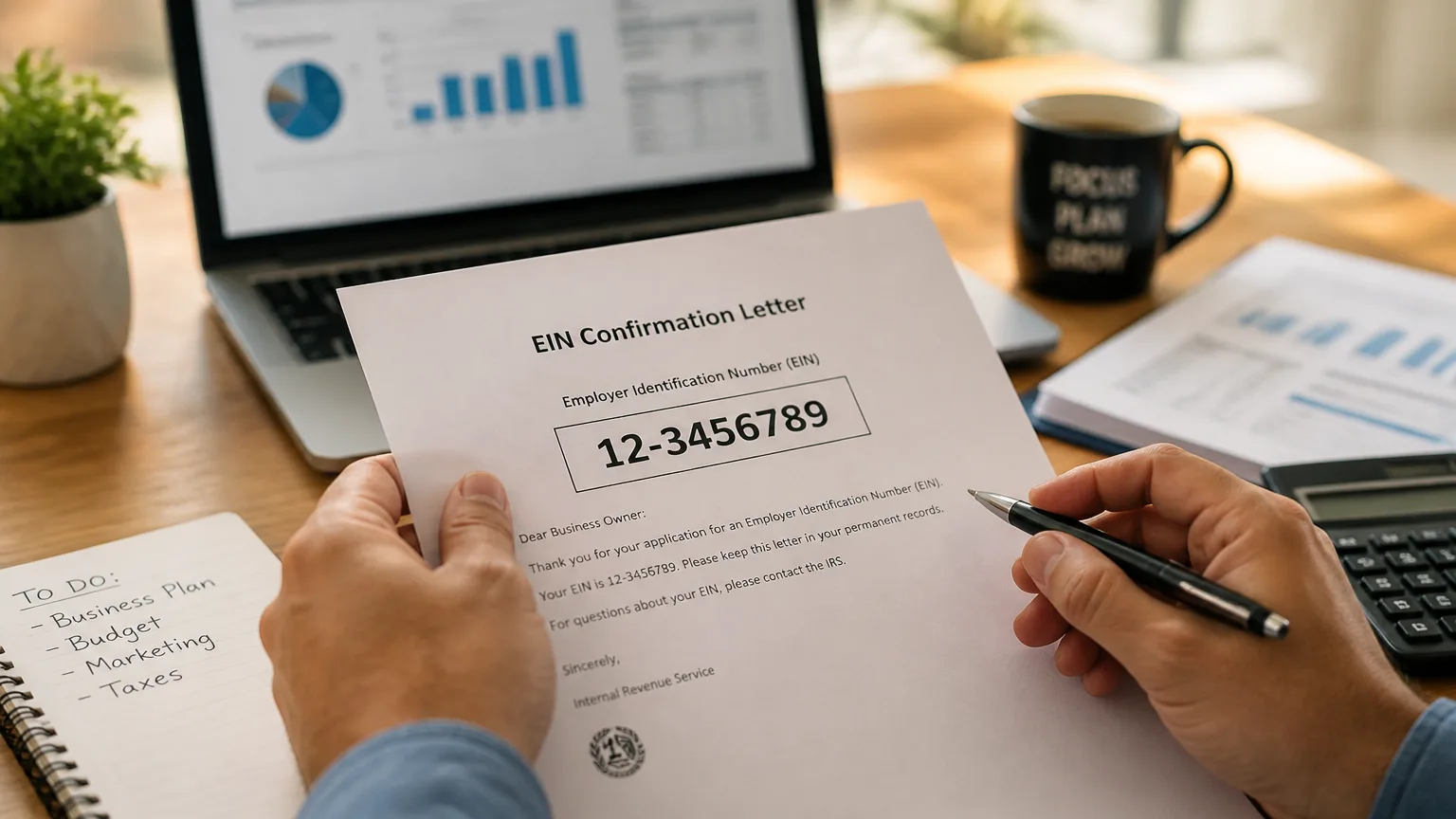
When exploring the question, “can an EIN have a credit score?” it’s essential to first understand what an Employer Identification Number (EIN) is. An EIN is a unique nine-digit number assigned by the IRS to identify a business entity. It serves various functions, from tax reporting to opening business bank accounts. Essentially, it’s like a Social Security number for your business.
For small business owners, establishing a strong business credit profile is crucial. Good credit can lead to better financing options, lower interest rates, and increased trust with suppliers and partners. Unlike personal credit scores, which are tied to individuals, business credit scores are linked to the business itself and often incorporate the EIN.
Understanding the relationship between your EIN and your business credit score can empower you to make informed financial decisions. While an EIN itself doesn’t have a credit score, it plays a vital role in building your business’s financial identity. In the following sections, we will delve deeper into how to effectively manage and improve your business credit profile.
The Relationship Between EINs and Business Credit Scores
An Employer Identification Number (EIN) is essential for distinguishing your business entity from your personal credit profile. While an EIN itself does not have a credit score, it serves as a unique identifier for your business in the eyes of credit bureaus. This separation is crucial, as it helps protect your personal assets and establishes your business as a distinct financial entity.
Credit bureaus, such as Dun & Bradstreet, Experian, and Equifax, use your EIN to assess your business’s creditworthiness. They analyze various factors, including payment history, outstanding debts, and credit utilization. For example, if your company consistently pays suppliers on time, this positive behavior is recorded and can enhance your business credit score.
Moreover, establishing credit under your EIN allows you to build a robust business credit history. This can lead to better financing options and lower interest rates over time. It’s vital to regularly monitor your business credit profile tied to your EIN to ensure accuracy and proactively address any issues.
How Business Credit Scores Work
Business credit scores are essential for assessing a company’s financial health. Major credit bureaus like Dun & Bradstreet, Experian, and Equifax track these scores. Each bureau uses different criteria, but common factors include payment history, credit utilization, and the age of your credit accounts.
Payment history is crucial; it reflects how reliably you pay your bills. A consistent record of on-time payments can significantly boost your score. Conversely, late payments can have a negative impact, making it vital to stay organized and proactive about due dates.
Credit utilization, the ratio of your current credit balances to your credit limits, also plays a role. Ideally, you should keep this ratio below 30%. This shows lenders that you are responsible with credit, which can enhance your business’s credibility.
For a deeper understanding of one of the key components, check out our guide on Mastering Your Equifax Business Credit Report. This resource can help you navigate the intricacies of your business credit profile effectively.
Building Business Credit with Your EIN
Building business credit with your EIN is a strategic process that can significantly enhance your financial options. Start by opening trade accounts with suppliers who report to credit bureaus. This step allows you to establish vendor tradelines, which are crucial for building a positive credit history.
Next, maintain good payment habits. Pay your bills on time or even early. This consistency demonstrates reliability and can lead to higher credit scores over time. Remember, your payment history is one of the most significant factors in determining your business credit score.
Regularly monitor your business credit profile. This helps you stay informed about your credit standing and identify any inaccuracies early on. Use services that offer credit monitoring specifically for businesses to receive alerts about changes or potential issues.
Finally, consider diversifying your credit types. Having a mix of credit accounts, such as loans and lines of credit, can strengthen your business credit profile. By following these steps, you can effectively build your business credit score and improve your financial identity.
Common Misconceptions About EINs and Credit Scores
Many small business owners wonder, “Can an EIN have a credit score?” It’s a common misconception that an Employer Identification Number (EIN) can have a credit score on its own. In reality, EINs are simply identifiers for your business, not credit entities. They do not accumulate credit scores like individual Social Security Numbers do.
Understanding the role of an EIN is crucial. While it does not have a credit score, it is essential for building your business’s credit profile. Your EIN is used when you establish business accounts, apply for loans, and report to credit bureaus. This means that the financial activities associated with your EIN contribute to your business credit history.
Another misunderstanding is that simply having an EIN guarantees good credit. In truth, your creditworthiness depends on how you manage your business finances. Timely payments, low debt levels, and a diverse credit mix are what will enhance your business credit profile, not the EIN itself.
By clarifying these misconceptions, you can better navigate the process of building and managing your business credit effectively.
Final Thoughts on EINs and Building Business Credit
Understanding the connection between your EIN and business credit is crucial for your financial success. While an EIN itself cannot have a credit score, it serves as a cornerstone for establishing your business’s credit identity. This means that every responsible action you take—like meeting payment deadlines and managing credit wisely—directly impacts your credit profile.
As a small business owner, it’s essential to actively manage and improve your business credit. Regularly monitor your credit reports and address any discrepancies. By doing so, you can unlock better financing options and strengthen your business’s credibility.
In summary, while an EIN doesn’t have a credit score, it’s your gateway to building a solid business credit history. Embrace this journey, and take proactive steps to enhance your financial future.