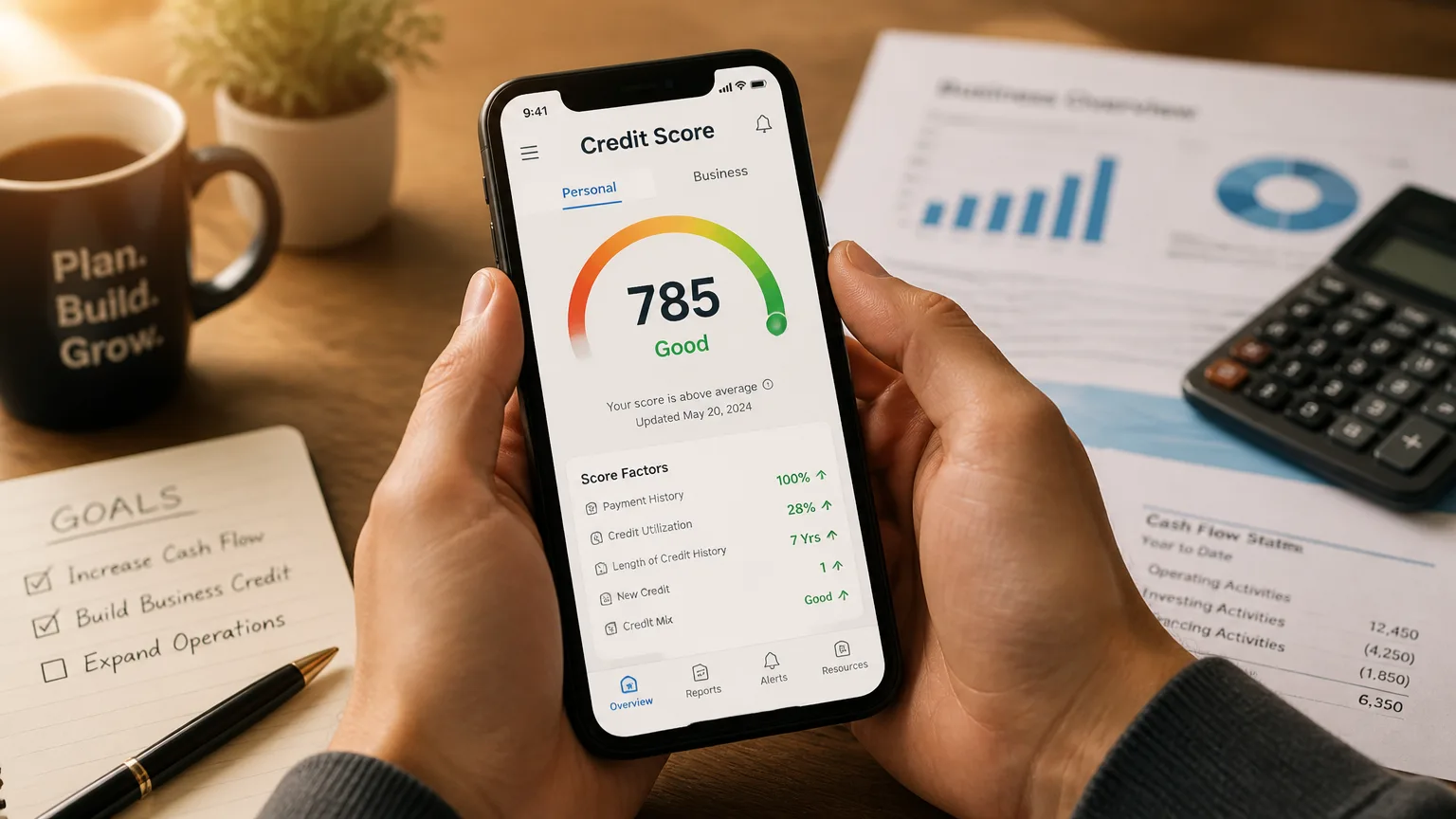
Understanding the connection between personal credit and business credit is crucial for small business owners. Many often wonder, “Does personal credit affect business credit?” The truth is that these two types of credit are intertwined in several ways, and misconceptions abound.
Personal credit scores and reports typically influence a business’s ability to secure loans, especially for small businesses or startups. Lenders often look at the owner’s personal credit history when evaluating a business loan application. This connection can impact the interest rates offered and even the approval process itself.
Recognizing how personal credit affects your business is essential for making informed financial decisions. For instance, a strong personal credit score can open doors to better financing opportunities. Conversely, poor personal credit may hinder your ability to grow your business.
As we explore this topic further, we’ll clarify the distinctions between personal and business credit, and provide actionable insights to help you manage both effectively. Understanding these concepts will empower you to build a strong financial foundation for your business.
The Differences Between Personal and Business Credit
Personal and business credit serve different purposes, yet understanding their connection is crucial for any small business owner. Personal credit scores typically range from 300 to 850 and are calculated based on your payment history, credit utilization, length of credit history, types of credit, and recent inquiries. In contrast, business credit scores, which can also vary but generally range from 0 to 100, focus on your company’s creditworthiness, payment histories with suppliers, and public records.
While these two credit types are evaluated separately, they can influence one another. For instance, if you’re using personal credit to secure a business loan, lenders will often consider your personal credit score. This means that poor personal credit can hinder your ability to access business financing, as lenders may perceive you as a higher risk.
Moreover, relying on personal credit for business expenses can blur the lines between your personal and business finances. This practice can lead to complications down the road, especially when it comes to liability and tax deductions. Understanding these distinctions is essential for maintaining a healthy financial identity for both yourself and your business.
How Personal Credit Can Affect Business Loan Applications
When applying for a business loan, lenders often assess your personal credit history. This is especially true for small businesses and startups, where the business may not yet have an established credit profile. Your personal credit score can serve as a proxy for your reliability as a borrower.
Personal guarantees are a common requirement in business loans. This means that you, as the business owner, are personally liable for the loan. If your business fails to repay, lenders can pursue your personal assets. Consequently, a strong personal credit score can enhance your chances of securing financing.
On the flip side, a poor personal credit score can hinder your ability to obtain a loan. If lenders see red flags in your credit history, they may view you as a higher risk. In this scenario, you might face higher interest rates or even loan denial.
For instance, a business owner with a solid credit score can negotiate better loan terms, while someone with significant debt may struggle. Understanding how personal credit affects business credit is crucial for small business owners aiming for financial stability.
Building Business Credit Independently of Personal Credit
To establish strong business credit without relying on personal credit, start by creating a separate business profile. This begins with obtaining an Employer Identification Number (EIN) from the IRS. An EIN acts like a Social Security number for your business, distinguishing its financial identity from yours.
Next, ensure your business is registered with the appropriate state and local agencies. This formal registration not only legitimizes your business but also helps in building credibility with lenders.
Consider alternative financing options that don’t depend on personal credit. For example, some lenders offer business loans based solely on your business’s revenue and cash flow. You can also explore vendor credit lines. By working with suppliers that report payment history to credit bureaus, you can build your business credit score effectively.
Additionally, maintain consistent payment practices on all business expenses. Timely payments to vendors and service providers signal reliability, which strengthens your business credit profile over time.
By following these steps, you can develop a robust financial identity for your business that stands independently from your personal credit.
Improving Personal Credit for Business Success
Improving your personal credit can significantly enhance your business opportunities. A strong personal credit profile demonstrates financial responsibility, which lenders often consider when evaluating your business creditworthiness. This connection means that a better personal credit score can lead to more favorable terms on loans and lines of credit for your business.
To boost your personal credit, start by checking your credit report for errors. Dispute any inaccuracies to ensure your score reflects your true financial behavior. Next, focus on paying down existing debts. Aim to reduce your credit utilization ratio by keeping balances low relative to your credit limits.
Additionally, make timely payments on all your bills, as payment history constitutes a large part of your credit score. Set up automated payments or reminders to help you stay on track. Establishing a mix of credit types, such as installment loans and credit cards, can also enhance your profile.
By taking these steps, you not only improve your personal credit but also position your business for greater funding opportunities. Lenders are more likely to approve requests from business owners with solid personal credit, ultimately paving the way for your business’s success.
Summarizing the Connection Between Personal and Business Credit
In conclusion, understanding how personal credit affects business credit is essential for small business owners. Your personal credit history can influence your ability to secure funding for your business. A strong personal credit score can open doors to better loan terms, while poor personal credit may limit your options.
Being proactive in managing both your personal and business credit is crucial. Regularly monitor your credit reports, pay bills on time, and keep your debt levels in check. This practice not only strengthens your financial standing but also contributes to a healthier financial identity for your business.
Ultimately, a clear understanding of your financial landscape empowers you to make informed decisions. By taking these steps, you position your business for growth and stability, ensuring a brighter financial future.