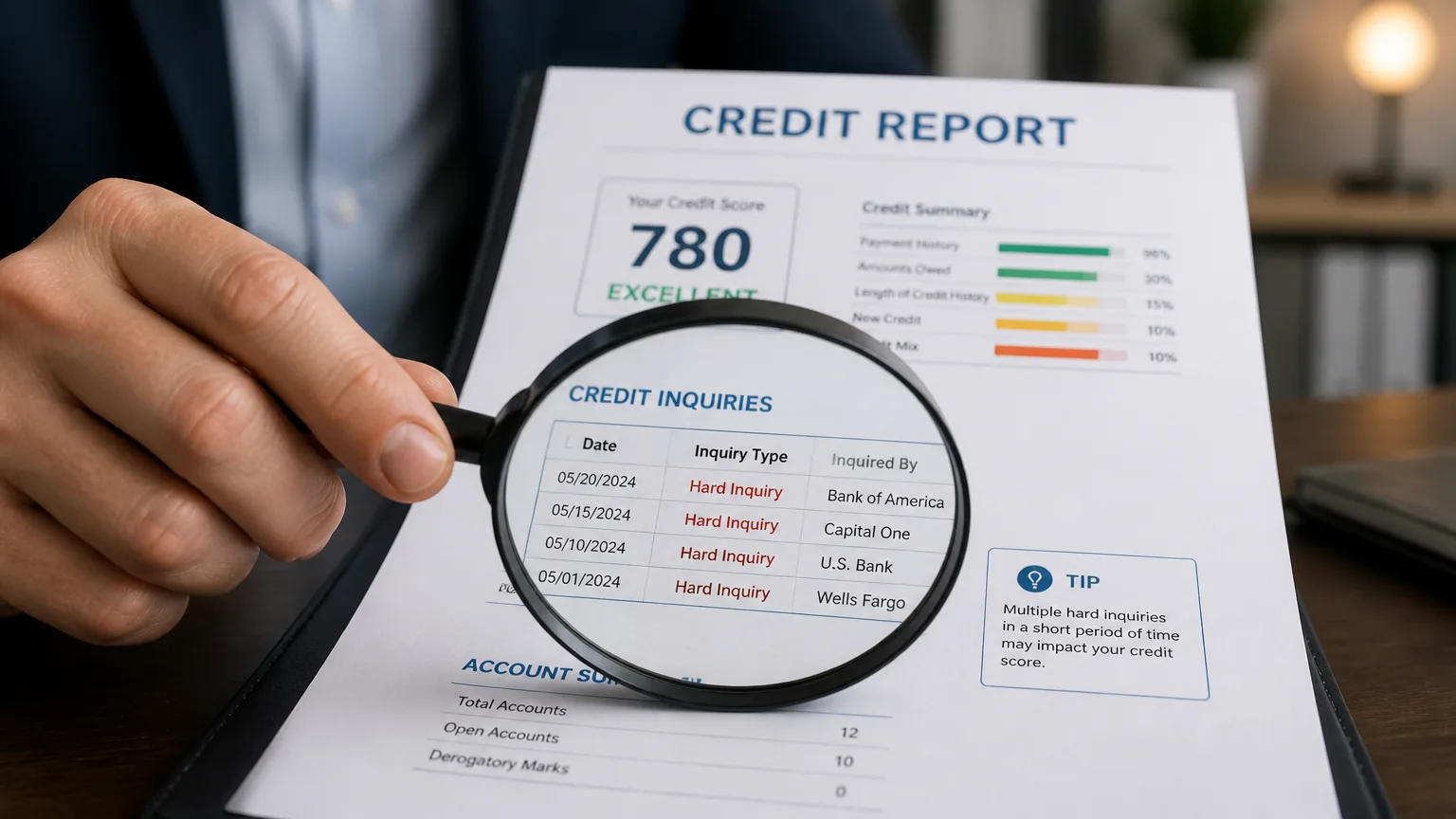
Understanding business credit inquiries is essential for small business owners who want to strengthen their financial standing. Business credit plays a crucial role in securing loans and obtaining favorable terms from lenders. A solid credit score can mean the difference between getting the financing you need and facing higher interest rates.
When you apply for credit, lenders conduct business credit inquiries to assess your financial health. There are two types of inquiries: hard and soft. Hard inquiries occur when a lender checks your credit as part of a loan application, and they can temporarily lower your credit score. In contrast, soft inquiries, such as those made during routine credit checks, do not impact your score at all.
Understanding the nuances of these inquiries can help you manage their effects on your credit score. By being strategic about when and how you apply for credit, you can minimize the impact of hard inquiries while still building a robust credit profile. As you read further, you’ll discover actionable steps to effectively manage your business credit inquiries, ensuring you position your business for success.
1. Differentiate Between Hard and Soft Inquiries
Understanding the difference between hard and soft inquiries is crucial for managing your business credit effectively. A hard inquiry occurs when a lender checks your credit report as part of their decision-making process for a loan or credit application. This type of inquiry can negatively impact your credit score, particularly if multiple hard inquiries occur within a short timeframe.
In contrast, a soft inquiry happens when you check your own credit, or when a lender reviews your credit report for promotional purposes. Soft inquiries do not affect your credit score, making them less concerning for business owners.
For small business owners, multiple hard inquiries can signal financial distress to lenders, potentially lowering your score. To maintain a healthy credit profile, limit hard inquiries by spacing out your credit applications and considering your needs carefully before applying. By managing how often you seek new credit, you can protect your business credit score while still pursuing growth opportunities.
2. Time Your Credit Inquiries Wisely
Timing is crucial when it comes to business credit inquiries. To minimize their impact on your credit score, consider aligning your applications for business loans or credit lines. Aim to apply for multiple credits within a short timeframe, as credit scoring models often treat these inquiries as a single event. This approach can help you secure the funding you need without severely denting your score.
Additionally, spacing out your inquiries is vital. Allow adequate time—typically six months—between applications. This recovery period helps your credit score bounce back, giving you a stronger position for future inquiries. For instance, if you plan to expand your operations, strategize your inquiries around your financial needs.
By managing the timing of your business credit inquiries, you not only protect your credit score but also enhance your chances of securing favorable financing options.
3. Limit the Number of Credit Applications
Limiting credit applications is crucial for maintaining a strong business credit profile. Each time you apply for credit, a hard inquiry is generated, which can negatively impact your credit score. Too many inquiries in a short span can signal to lenders that you might be a risky borrower.
Instead of submitting multiple applications, take a focused approach. Assess your business needs and determine the specific type of credit that aligns with your growth strategy. For example, if you’re looking to finance new equipment, research lenders who specialize in that area before applying.
Spacing out your applications can also improve your chances of approval. If you wait several months between requests, lenders will see a more stable credit history. This strategy not only protects your credit score but also enhances your credibility in the eyes of potential creditors. By being selective about when and how you apply, you can safeguard your business credit inquiry history and position your business for better financing options.
4. Regularly Monitor Your Business Credit Reports
Regularly monitoring your business credit reports is crucial for maintaining a healthy credit score. By keeping an eye on these reports, you can track any inquiries and spot potential issues early on. This proactive approach helps you understand how your credit activity impacts your score.
Using credit monitoring services can simplify this process. These services alert you to changes in your credit report, including new inquiries. They can also provide insights into your credit utilization and payment history, enabling you to make informed financial decisions.
If you notice discrepancies in your reports, address them promptly. Errors can negatively affect your credit score. Contact the reporting agency immediately to dispute inaccuracies. For example, if an inquiry appears that you didn’t authorize, resolving it quickly can help protect your score.
By staying vigilant about your business credit reports, you empower your business to thrive financially.
5. Work on Building Business Credit Before Applying
Establishing a strong credit profile is critical before you apply for credit. This proactive approach allows you to secure better terms and reduces your reliance on frequent credit inquiries. Start by ensuring timely payments on existing obligations. Consistency in meeting deadlines is a powerful way to enhance your creditworthiness.
Additionally, monitor your credit utilization. Aim to keep your credit usage below 30% of your available credit. This demonstrates to potential lenders that you manage your finances responsibly.
Consider leveraging small business credit cards or vendor accounts, which can help you build your credit history. Each positive payment contributes to a stronger profile, making your business more attractive to lenders.
By focusing on these strategies, you empower your business ahead of any credit inquiry. Building a solid foundation can lead to more favorable financing options in the future, setting you up for success. For more tips on establishing a robust credit background, check out Mastering Your Credit One Credit Increase: Step-by-Step Guide.
Final Thoughts on Managing Business Credit Inquiries
Effectively managing business credit inquiries is essential for protecting and enhancing your credit score. Understanding the impact of both hard and soft inquiries empowers you to make informed decisions about when to apply for credit.
Remember, spacing out your applications and being strategic in your approach can significantly minimize negative effects. This careful management not only safeguards your score but also positions your business for better financing opportunities in the future.
Ongoing education about business credit is crucial. Stay informed about best practices and changes in credit reporting to continuously strengthen your financial identity. By taking proactive steps today, you set your business up for long-term success.