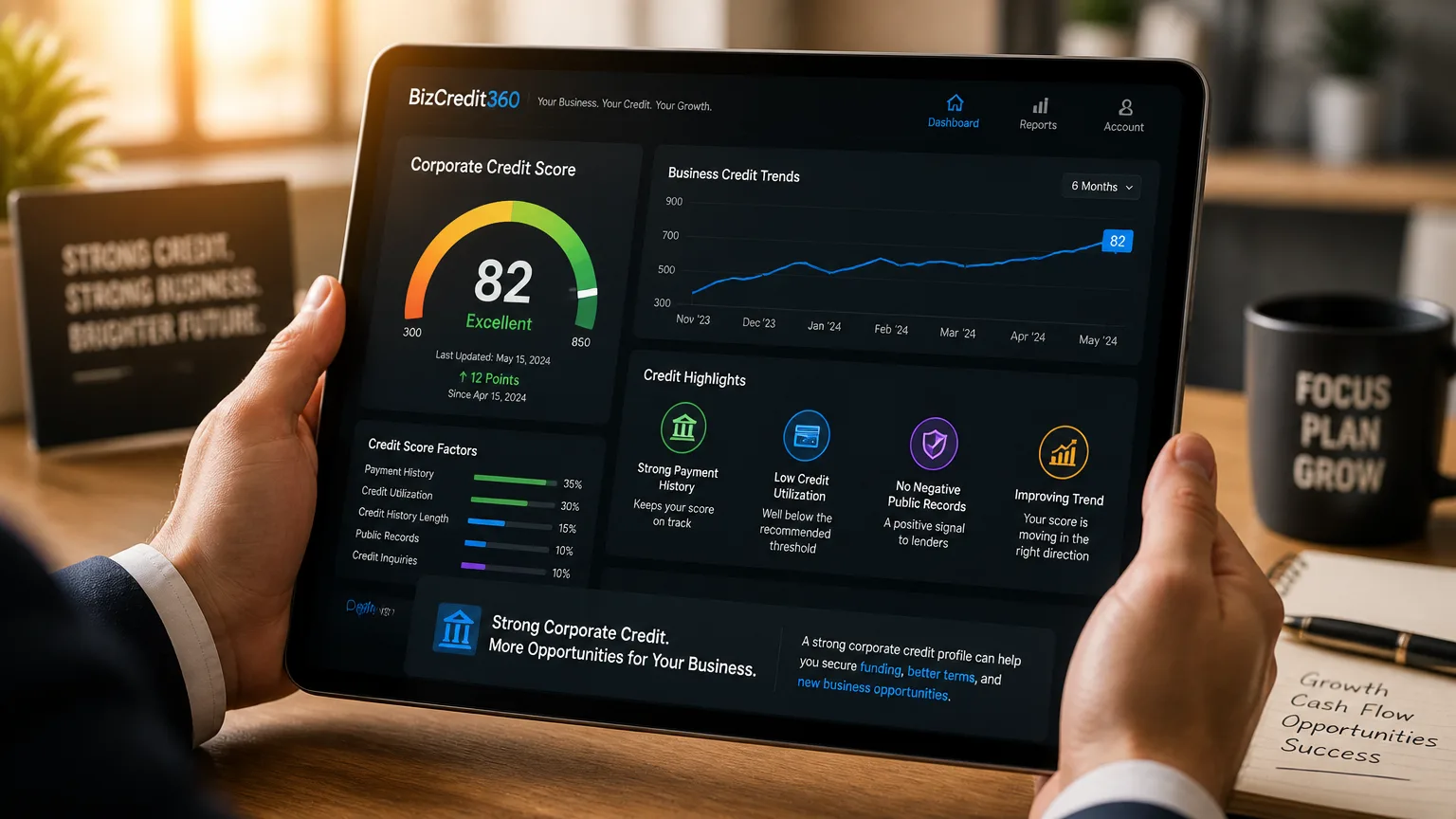
Understanding corporate credit is pivotal for small businesses aiming for growth and sustainability. Unlike personal credit, corporate credit is tied to your business’s financial identity. It allows you to access funding without impacting your personal finances, which is crucial for maintaining a healthy balance between your business and personal life.
Establishing strong corporate credit can lead to better financing options. Lenders are more likely to offer favorable terms if they see a solid credit history. This not only opens doors to larger loans but can also lower interest rates, saving your business money in the long run.
Moreover, good corporate credit can enhance your business’s credibility. Suppliers and partners may be more willing to engage with you when they see a strong credit profile. This builds trust and can lead to better deals, improving your overall business operations.
In this article, we will explore the nuances of corporate credit, its importance, and practical steps you can take to build and maintain a strong credit profile. By understanding this concept, you can position your business for success and secure the financing you need to thrive.
1. What is Corporate Credit?
Corporate credit refers to the credit history and score associated with a business entity, separate from its owner’s personal credit. This score reflects how a company manages its financial obligations and can significantly impact its ability to secure financing.
Unlike personal credit, which is influenced by individual financial behavior, corporate credit is shaped by the company’s activities. Key factors include payment history, outstanding debts, and overall financial health. For example, consistent on-time payments to suppliers can enhance a business’s creditworthiness.
Understanding corporate credit is vital for small businesses. A strong corporate credit profile not only helps in obtaining loans but can also lead to better terms with suppliers and lower interest rates. By cultivating a robust credit history, you position your business for growth and stability in a competitive marketplace.
2. Importance of Corporate Credit for Small Businesses
Building corporate credit is crucial for small businesses aiming for long-term success. A strong credit profile opens doors to loans with favorable terms, allowing you to invest in growth opportunities. For instance, a business with good credit can secure lower interest rates, reducing overall borrowing costs.
Beyond financing, corporate credit impacts your relationships with suppliers and partners. Businesses with strong credit histories often find it easier to negotiate better payment terms. This can lead to discounts or extended payment periods, which help improve cash flow.
Moreover, having solid corporate credit enhances your business’s credibility. Lenders and vendors view a strong credit profile as a sign of reliability and stability. This reputation can be a deciding factor when competing for contracts or partnerships, giving you an edge over competitors.
Ultimately, prioritizing corporate credit not only secures necessary funding but also fosters stronger business relationships. By focusing on building this essential aspect of your financial identity, you position your small business for sustained growth and success.
3. Steps to Build Corporate Credit Quickly
Building corporate credit doesn’t have to be a lengthy process. By following these practical steps, small business owners can establish and enhance their credit profile efficiently.
First, establish a formal business entity, such as an LLC or corporation. This step separates your personal and business finances, which is crucial for building corporate credit. Once your business structure is in place, obtain an Employer Identification Number (EIN) from the IRS. This number is essential for tax purposes and is often required when applying for business credit.
Next, open a dedicated business bank account. Use this account exclusively for all business transactions. This practice not only helps maintain clear financial records but also reinforces your business’s credibility. Make sure to deposit your business income here and pay expenses directly from this account.
Another significant step is to establish trade lines with suppliers and vendors. Look for companies that report payment history to credit bureaus. By consistently paying your bills on time, you build a positive credit history that strengthens your corporate credit profile.
Finally, consider applying for a business credit card. Use it wisely for business-related expenses and pay off the balance each month. This approach will help you establish a solid credit history while managing expenses effectively.
4. Factors Affecting Corporate Credit Scores
Several key elements influence your corporate credit score, and understanding them is crucial for effective management. First and foremost, payment history holds the most weight. Timely payments on loans and credit lines demonstrate reliability, boosting your score significantly. Aim to pay bills on or before the due date to maintain a positive payment history.
Credit utilization is another important factor. This refers to the ratio of your credit card balances to their limits. Keeping this ratio below 30% is advisable, as a lower utilization shows lenders that you’re not overly reliant on credit.
Lastly, the length of your credit history also plays a role. The longer your business has been managing credit responsibly, the better it reflects on your score. If you’re just starting, consider establishing credit accounts early to build this history.
By focusing on these factors, you can actively manage your corporate credit and position your business for financial success.
5. Common Mistakes to Avoid in Corporate Credit Management
Navigating corporate credit can be tricky, and small business owners often encounter common pitfalls. One major mistake is mixing personal and business finances. This can not only confuse your financial records but also harm your corporate credit score. Always keep these two separate to maintain clarity and integrity in your business credit profile.
Another significant issue is failing to make timely payments. Late payments can severely drop your credit score, making it harder to secure favorable financing in the future. Set up reminders or automate payments to ensure you never miss a due date.
Additionally, neglecting to monitor your credit regularly can lead to missed opportunities for improvement. Keeping an eye on your corporate credit allows you to identify areas for growth and correction. For those facing challenges, check out our guide on 5 Effective Strategies to Build Business Credit After Financial Hardship to regain your footing. By avoiding these mistakes, you can strengthen your corporate credit and support your business’s long-term success.
Leveraging Corporate Credit for Future Growth
In summary, strong corporate credit is essential for long-term business growth. By establishing good credit practices early, you can unlock opportunities for financing, negotiate better supplier terms, and secure lower interest rates. These benefits cumulatively enhance your business’s financial stability and overall success.
Moreover, maintaining a robust corporate credit profile not only positions you for immediate funding needs but also lays the groundwork for future expansion. For those facing challenges in building credit, remember that it’s never too late to improve. Consider exploring resources like Building Business Credit with Bad Personal Credit: Essential Strategies for Success to regain your footing.
Ultimately, prioritizing your corporate credit today will pay dividends tomorrow, ensuring your business thrives in a competitive landscape.