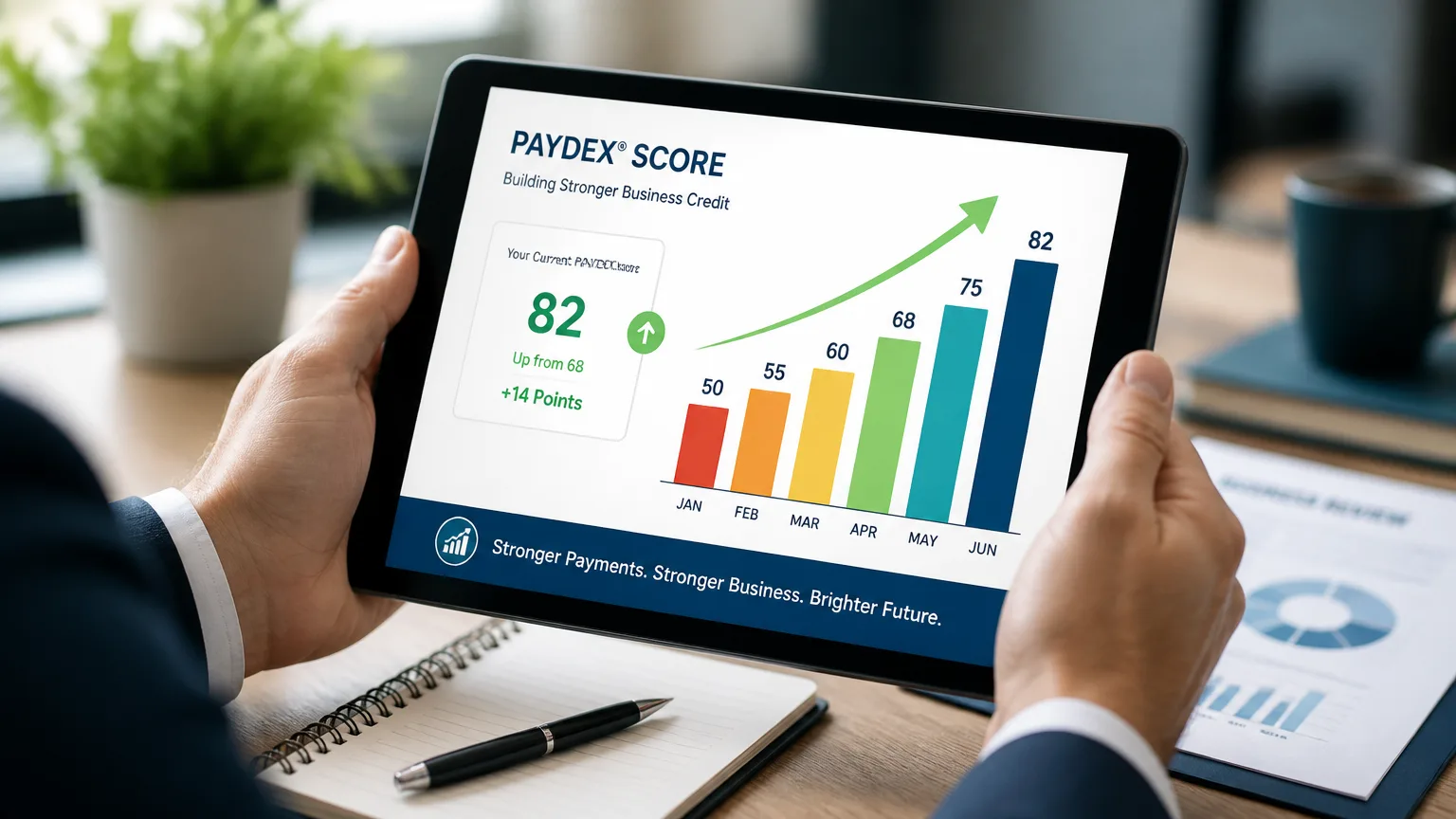
Understanding your PAYDEX score is essential for navigating the landscape of business credit. A PAYDEX score is a numerical representation of your company’s payment history, ranging from 0 to 100. It evaluates how promptly you pay your bills, with higher scores indicating timely payments.
For small business owners, a solid PAYDEX score can open doors to better financing options. Lenders and suppliers often rely on this score to assess creditworthiness. If your score is high, you’re more likely to secure favorable terms on loans or lines of credit. Conversely, a low PAYDEX score can hinder your ability to obtain essential financing, impacting your business growth.
Financial institutions evaluate your PAYDEX score as part of their risk assessment process. They compare your score against industry benchmarks to determine how you stack up against competitors. This evaluation helps them decide whether to extend credit and under what terms.
By understanding and improving your PAYDEX score, you can enhance your business’s financial identity and increase your chances of obtaining the credit you need. This article will guide you through the key factors that influence your score and actionable steps to elevate it.
How PAYDEX Scores are Calculated
Understanding how your PAYDEX score is calculated is essential for improving it. This score primarily focuses on your payment history, which accounts for a significant portion—up to 40%—of the total score. Timely payments, especially those made within terms, contribute positively to your score. Conversely, late payments can severely impact it, reflecting poorly on your reliability as a borrower.
Another critical factor is credit utilization, which refers to the amount of credit you use compared to your available credit limit. Keeping your utilization low—ideally below 30%—can boost your PAYDEX score. High utilization signals potential risk to creditors, which can hinder your ability to secure favorable credit terms.
Additionally, the length of your credit history plays a role in the calculation. The longer you maintain good credit practices, the more favorably creditors will view your business. Newer accounts may not have as much weight but can still contribute positively over time.
Finally, the diversity of your credit accounts matters. A mix of trade credit, credit cards, and loans demonstrates your ability to manage various types of credit effectively. Each of these elements works together to shape your PAYDEX score, influencing your overall business financial identity.
Common Misconceptions About PAYDEX Scores
Many small business owners hold misconceptions about PAYDEX scores that can hinder their financial growth. One common myth is that a PAYDEX score only reflects payment history. While this is a crucial factor, your overall credit utilization and account diversity also play significant roles.
Another widespread belief is that a PAYDEX score cannot be improved. In reality, consistent on-time payments and responsible credit management can enhance your score over time. The notion that only larger businesses can achieve high PAYDEX scores is misleading as well; small businesses can build strong scores through diligent practices.
These myths can lead to complacency or misinformed decisions. By understanding the full scope of what impacts your PAYDEX score, you can take proactive steps to improve it. Addressing these misconceptions empowers you to shape your business’s financial identity more effectively.
5 Effective Strategies to Improve Your PAYDEX Score
Improving your PAYDEX score is crucial for securing favorable credit terms. Here are five effective strategies to help you boost your score over time.
First and foremost, pay your bills on time. This simple habit builds a positive payment history, which is essential for a strong PAYDEX score. Set reminders or automate payments to ensure you never miss a due date.
Next, establish trade credit with vendors that report to credit bureaus. This means partnering with suppliers who will share your payment history. Start small and gradually increase your trade credit relationships. This not only diversifies your credit portfolio but also strengthens your score through consistent, on-time payments.
Monitoring your business credit report regularly is another vital step. Look for inaccuracies or outdated information that could negatively impact your score. If you spot any discrepancies, dispute them promptly. Keeping your report accurate reflects your true creditworthiness.
Using credit wisely is essential. Maintain low credit utilization, ideally below 30%. This demonstrates your ability to manage debt effectively. Avoid maxing out your credit lines, as high utilization can be a red flag for lenders.
Lastly, utilize tools and resources designed to assist in credit building. Consider credit monitoring services that provide insights into your score and suggest improvements. These tools can offer personalized advice, helping you stay on track.
By implementing these strategies, you can enhance your PAYDEX score, paving the way for better credit opportunities.
The Future of Your Business Credit Journey
Maintaining a strong PAYDEX score is essential for your business’s financial health. A good score not only opens doors to better credit options but also enhances your credibility with suppliers and lenders. By actively managing your PAYDEX score, you position your business for growth and success.
Ongoing education about credit management is vital. Utilize available resources to stay informed about best practices and changes in the credit landscape. This proactive approach will empower you to make informed decisions that benefit your business.
In summary, a solid PAYDEX score is a cornerstone of your business credit profile. Investing time and effort into improving it can lead to greater opportunities and financial stability. Take charge of your credit journey today—your future business success depends on it!