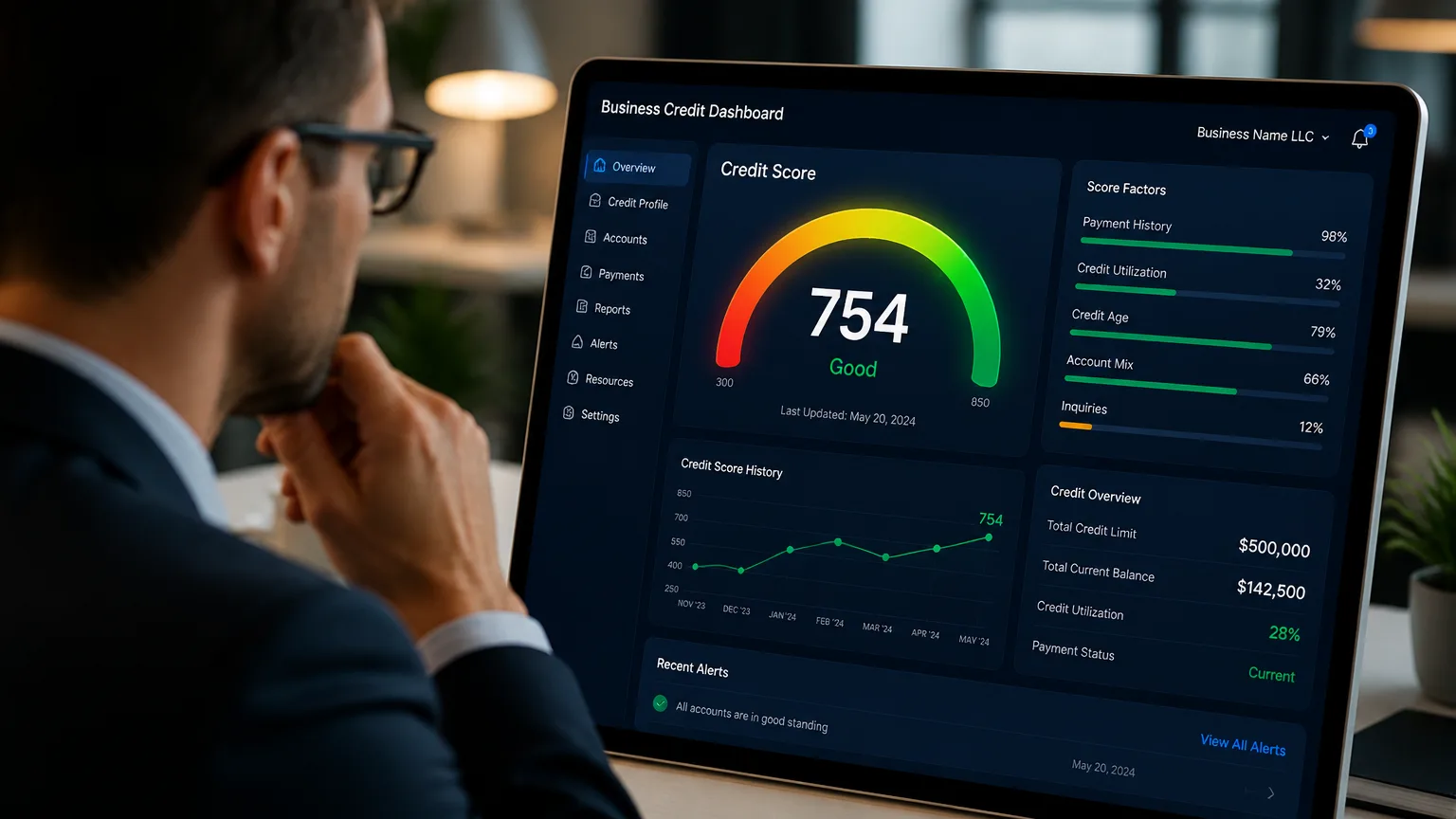
Understanding your Dun and Bradstreet business credit score is essential for small business owners navigating the often complex world of financing. This score acts as a financial fingerprint, reflecting your company’s creditworthiness and influencing its ability to secure loans and favorable terms.
A solid Dun and Bradstreet business credit score can open doors to better financing options, helping you grow your business more effectively. Lenders and suppliers rely on this score to assess risk, meaning that a strong rating can lead to increased trust and support from potential partners. Conversely, a low score may limit your access to critical funding.
For small businesses just starting out, understanding how to build and maintain a good credit score is vital. It’s not just about securing loans; it’s about establishing a financial identity that supports your long-term goals. In this article, we’ll break down the components of the Dun and Bradstreet business credit score, how it’s calculated, and actionable steps you can take to improve it. By the end, you’ll be equipped with the knowledge to enhance your business’s financial standing and unlock new opportunities.
What is the Dun and Bradstreet Credit Score?
The Dun and Bradstreet business credit score is a vital tool for assessing your company’s creditworthiness. This score ranges from 1 to 100, with higher scores indicating a lower risk to lenders. Understanding how this score is calculated can empower you to make informed financial decisions.
Several key factors influence your D&B score. Payment history is crucial; consistently paying bills on time demonstrates reliability. Additionally, credit utilization—the ratio of your current credit to available credit—plays a significant role. Keeping this ratio low signals to lenders that you manage credit responsibly.
Other elements include the length of your credit history and the types of credit accounts you hold. For example, having a mix of revolving and installment accounts can positively impact your score.
A strong Dun and Bradstreet business credit score is essential when applying for loans or credit lines. Lenders often use this score to gauge the likelihood of repayment. Thus, maintaining a good score can open doors to better financing options and favorable terms for your business.
How to Obtain Your D&B Credit Score
To retrieve your Dun and Bradstreet business credit score, start by visiting their official website. You’ll need to create a free account if you don’t already have one. Once logged in, navigate to the “Business Credit Reports” section. Here, you can request your credit score and review your business’s credit profile.
Your DUNS number is crucial in this process. This unique identifier links your business to its credit history. If you don’t have a DUNS number yet, you can apply for one on the D&B website. This step is essential, as it ensures your credit information is accurately tracked.
Regular monitoring of your D&B score is vital. By checking your score periodically, you can identify inaccuracies or outdated information. If you spot any errors, you can dispute them directly through D&B, helping you maintain a solid credit profile. Keeping an eye on your score can also alert you to potential issues before they escalate, allowing you to take proactive measures.
Building and Improving Your D&B Score
To enhance your Dun and Bradstreet business credit score, timely payments are crucial. Paying your bills on or before their due dates demonstrates reliability. This practice not only improves your score but also builds trust with creditors. Consider setting up automatic payments to avoid missed deadlines.
Managing your credit utilization ratio is another vital strategy. This ratio compares your total credit balances to your total credit limits. Aim to keep this ratio below 30%. For example, if your credit limit is $10,000, try to maintain balances under $3,000. Lower utilization indicates responsible credit management, positively impacting your score.
Additionally, leveraging vendor credit can significantly boost your D&B score. Establishing relationships with suppliers that report to D&B allows you to build credit history. Consider using vendor credit for regular purchases, ensuring you pay off balances promptly. This approach not only strengthens your score but also enhances your business’s financial profile.
By implementing these strategies, you can actively work toward improving your Dun and Bradstreet business credit score, setting your business up for greater financial success.
Common Pitfalls to Avoid
Understanding your Dun and Bradstreet business credit score is crucial, but it’s equally important to recognize common pitfalls that could harm it. One of the most significant mistakes is making late payments or defaulting on loans. Timely payments are a major factor in calculating your score. Setting up reminders or automatic payments can help you stay on track.
Another common error is over-applying for credit. Each time you apply, it generates a hard inquiry on your report, which can negatively impact your score. Instead, assess your needs carefully and apply only when necessary. This approach helps maintain a healthier credit profile.
Additionally, many business owners overlook the factors that can hurt their scores. High credit utilization, or using a significant portion of your available credit, can lower your score. Aim to keep your utilization ratio below 30%. By being mindful of these pitfalls, you can safeguard your Dun and Bradstreet business credit score and enhance your overall financial standing.
Taking Action Towards a Better Business Credit Score
In summary, a strong Dun and Bradstreet business credit score is vital for securing better funding opportunities. Regularly reviewing and proactively managing your score can lead to favorable terms and lower interest rates.
Remember, the benefits of a robust credit profile extend beyond just financing; they can enhance your business’s reputation and open doors to new partnerships.
Take charge of your credit today. By implementing the strategies discussed, you can improve your score and position your business for long-term success. Start monitoring your credit now, and watch your opportunities grow!