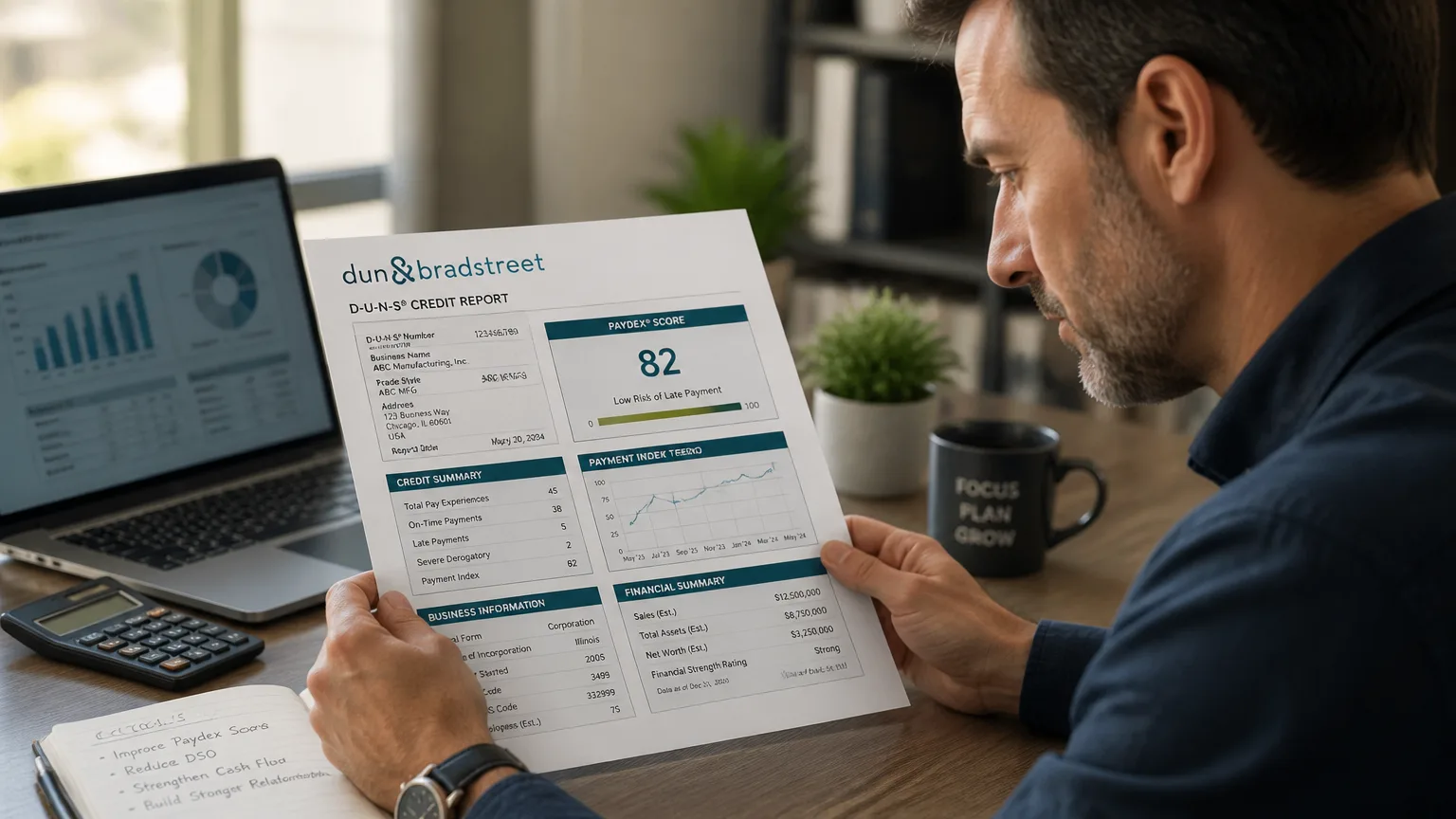
Understanding your Dun and Bradstreet credit report is essential for small business owners striving to secure financing and build a solid financial identity. This report provides a comprehensive overview of your business’s creditworthiness, including payment history, credit utilization, and overall financial health. For many lenders, it serves as a key factor in determining whether to extend credit to your business.
By effectively reading your Dun and Bradstreet credit report, you can make informed decisions that propel your business forward. It empowers you to identify strengths and weaknesses in your financial practices, allowing you to address potential issues before they impact your creditworthiness. This proactive approach can enhance your chances of obtaining favorable financing options.
Moreover, understanding your credit report is not just about securing loans; it’s about establishing a trustworthy reputation in the business community. For a deeper insight into the importance of business credit, check out our article on Understanding Corporate Credit: Its Critical Role for Small Businesses. With the right knowledge, you can navigate the complexities of your Dun and Bradstreet credit report and make strategic decisions that support your business growth.
Decoding the Key Components of Your D&B Report
Understanding your Dun and Bradstreet credit report is essential for evaluating your business’s financial health. One of the most critical elements is the PAYDEX score. This score ranges from 1 to 100, with higher scores indicating better payment performance. A PAYDEX score of 80 or above suggests that your business pays its bills on time, a fundamental indicator of creditworthiness.
Next, take a close look at your company profile. This section provides a snapshot of your business, including its structure, industry classification, and operational status. By reviewing this information, you can identify strengths, such as a long operational history, and weaknesses, like an outdated business address.
Additionally, your credit history is detailed in the report. This includes your payment habits over time, showing how consistently you meet your obligations. A strong history of on-time payments can enhance your credit standing, while late payments may raise red flags for potential lenders.
By familiarizing yourself with these key components, you can leverage your Dun and Bradstreet credit report to make informed decisions that foster growth and stability for your business.
Evaluating Your PAYDEX Score and Its Implications
Understanding your PAYDEX score is crucial for accessing credit. This score, which ranges from 1 to 100, reflects your business’s creditworthiness. A higher score indicates better credit management, with a score of 80 or above generally considered good.
Lenders often look to your PAYDEX score when evaluating your financing options. A strong score can lead to more favorable terms, such as lower interest rates and higher credit limits. Conversely, a low score might hinder your ability to secure loans or lead to stricter terms.
To improve your PAYDEX score, focus on timely payments. Consistently paying your bills on or before the due date is key. Additionally, reducing outstanding debts can positively influence your score over time. For more detailed strategies, check out How to Improve Your Paydex Score: 5 Proven Strategies for Success.
Monitoring your PAYDEX score regularly will help you stay informed and make necessary adjustments. This proactive approach will not only enhance your credit profile but also open doors to better financing opportunities.
Identifying Red Flags on Your Credit Report
When reviewing your Dun and Bradstreet credit report, it’s crucial to identify any red flags that may indicate potential issues. Start by analyzing discrepancies or errors. Even minor mistakes, like incorrect addresses or business names, can harm your creditworthiness.
Pay close attention to any negative remarks. These could include late payments, charge-offs, or bankruptcies. Understanding how these disputes impact your overall score is vital. For instance, a single late payment can significantly lower your score, affecting your ability to secure financing.
If you spot an error, act quickly to rectify it. Gather supporting documentation and contact Dun and Bradstreet to dispute the inaccuracies. This proactive step can help maintain a healthy credit report and protect your business’s financial identity.
Additionally, keep an eye on the frequency of disputes. If you find multiple disputes, it may signal deeper issues within your financial management. Addressing these concerns early can safeguard your credit profile and enhance your chances of obtaining favorable lending terms.
Leveraging Your Credit Report to Secure Funding
Your Dun and Bradstreet credit report is more than just a summary of your financial history; it’s a powerful tool for securing funding. When preparing to present your report to potential lenders, focus on showcasing your strengths. Highlight consistent payment history and positive credit utilization. These elements can significantly enhance your appeal.
However, it’s equally important to address any weaknesses. If your report reveals areas for improvement, be ready to discuss how you plan to tackle these issues. This proactive approach demonstrates responsibility and foresight, which lenders appreciate.
Additionally, use insights from your report to negotiate better terms with creditors. For instance, if your PAYDEX score is strong, leverage this when discussing interest rates or repayment terms. A solid understanding of your financial identity can empower you during these conversations.
For more strategies on building strong financial foundations, check out Unlock Funding Opportunities with Tier 1 Business Credit: The Ultimate Guide. By strategically using your Dun and Bradstreet credit report, you’re positioning your business for greater financial success.
Next Steps for Monitoring and Improving Your Credit
Regularly reviewing your Dun and Bradstreet credit report is vital for maintaining your business’s financial health. By staying informed, you can quickly identify areas for improvement and take proactive steps to enhance your credit standing. This vigilance will not only strengthen your profile but also pave the way for better financing opportunities.
Consider utilizing resources like Maximize Your Business Credit Utilization: Quick Tips for a Higher Score to further your education on credit management. Continuous learning will empower you to make informed decisions that support your long-term success. Take these steps today to secure a brighter financial future for your business.