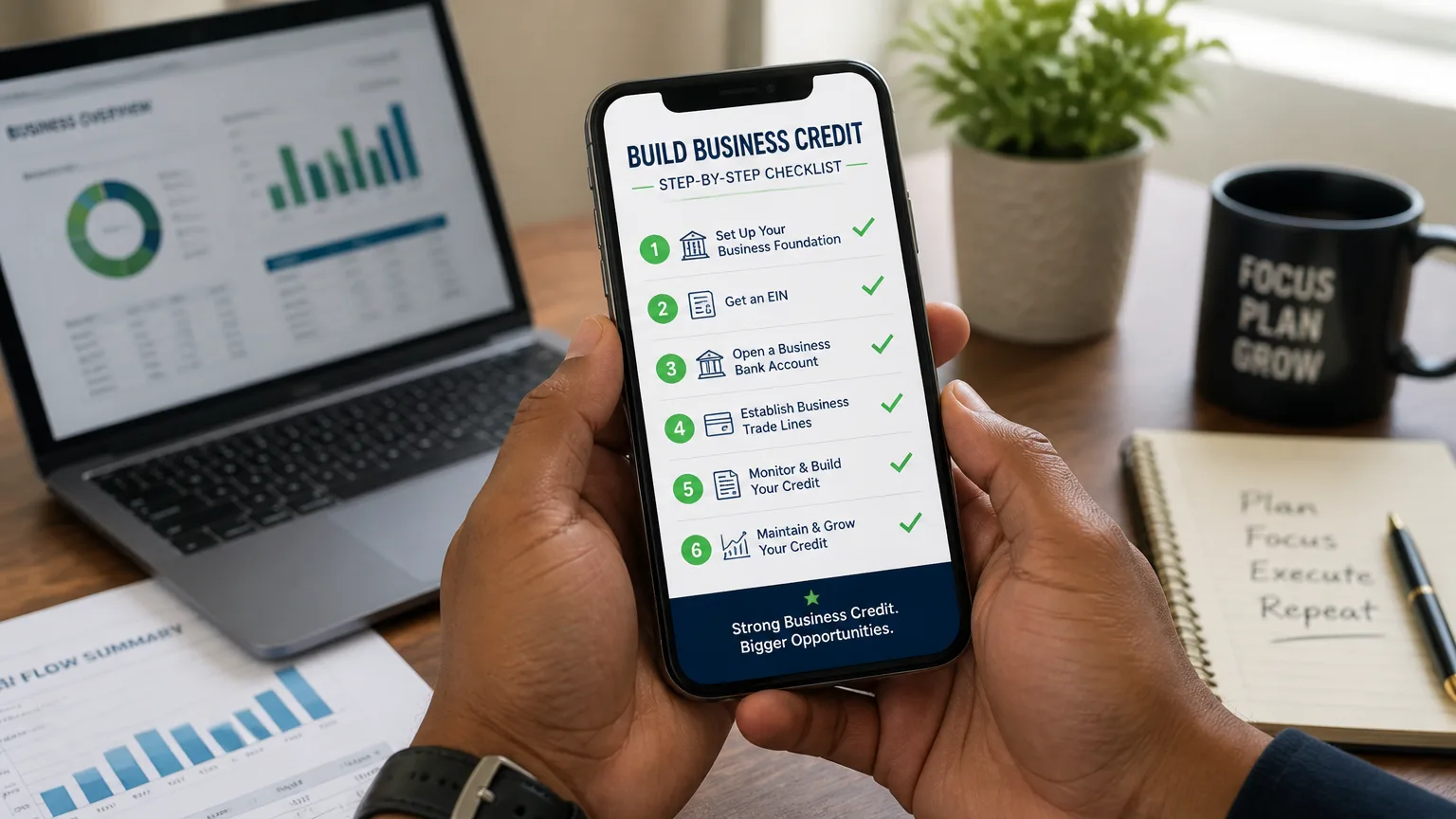
Establishing business credit with EIN is a vital step for small business owners aiming to secure financing without relying on personal guarantees. Understanding business credit can significantly impact your growth opportunities, allowing you to access loans, better terms, and vendor relationships. An Employer Identification Number (EIN) serves as a unique identifier for your business, much like a Social Security number for individuals. This number not only legitimizes your business but also plays a crucial role in building your credit profile.
Having an EIN is essential for separating your personal and business finances, which can help protect your personal assets. As you navigate the world of business credit, knowing how to effectively leverage your EIN can set you on a path to financial independence and stability.
In this guide, you will learn actionable steps to establish business credit with EIN, ensuring you can access the resources you need for success. Additionally, you’ll discover how to manage your credit effectively, enabling you to maximize your business credit utilization for a higher score. For more insights on this important topic, check out our resource on business credit without personal guarantee.
Step 1: Obtain Your EIN
To establish business credit with EIN, the first step is obtaining your Employer Identification Number (EIN). This unique identifier is essential for tax purposes and helps separate your business identity from your personal finances.
You can easily apply for an EIN online through the IRS website. This process is straightforward and completely free. Once you submit your application, you can usually receive your EIN immediately, allowing you to move forward without delay.
Having an EIN not only strengthens your business profile but also opens the door to many financial opportunities. For instance, banks and credit agencies often require an EIN when you apply for a business bank account or credit. This number is a key piece in establishing your business credit history.
By securing your EIN, you lay a strong foundation for building your business credit effectively.
Step 2: Open a Business Bank Account
Opening a dedicated business bank account is a crucial step in establishing your business credit with EIN. This account not only streamlines your finances but also enhances your professionalism. By separating your personal and business finances, you create clear records, making it easier to track expenses and manage cash flow.
Using your EIN to open the account reinforces your business identity. Banks typically require this number when you apply, which helps establish your business credit history. A separate account signals to creditors that your business is legitimate and serious.
Moreover, having a business bank account simplifies record-keeping. You can easily access statements for tax purposes or financial planning. This clarity can also help you demonstrate your business’s creditworthiness when applying for loans or credit lines in the future.
In summary, a business bank account is an essential tool for any entrepreneur looking to establish credibility and streamline financial management.
Step 3: Register with Business Credit Bureaus
Once you have your EIN, the next crucial step in how to establish business credit with EIN is to register with business credit bureaus. This is essential for creating your business credit profile and building a solid credit history.
One of the most important bureaus to connect with is Dun & Bradstreet. By registering here, you can obtain your DUNS number, a unique identifier for your business that helps track your credit profile. This number is vital, as many lenders and suppliers refer to it when assessing your creditworthiness.
To get started, visit the Dun & Bradstreet website and follow the instructions to create your profile. Make sure to provide accurate information about your business to avoid any discrepancies in your credit report. For a detailed guide on this process, check out our article on Unlocking Business Success: The Complete Guide to Your DUNS Number.
By establishing a profile with credit bureaus, you set the stage for more favorable financing options in the future.
Step 4: Establish Vendor Relationships
Building strong vendor relationships is a crucial step in establishing business credit with your EIN. Start by selecting vendors that extend credit and report your payments to credit bureaus. These vendors can help you create a positive credit history, which is essential for your business’s financial reputation.
When you engage with these vendors, make sure to communicate your intent to build credit. This proactive approach can foster trust and may lead to better credit terms. Remember, timely payments are key; paying your bills on time can significantly boost your credit score.
For more insights on how vendor relationships can enhance your credit profile, check out our article on vendor tradelines. By consistently meeting your payment obligations, you not only strengthen your vendor relationships but also lay a solid foundation for your business credit journey.
Step 5: Monitor Your Business Credit Report
Regularly checking your business credit report is vital for maintaining good standing. Just like your personal credit, your business credit can contain errors that may negatively impact your score. By monitoring your report, you can identify these discrepancies early and take action to correct them.
Moreover, consistent checks ensure that all vendor payments are accurately recorded. This is important because timely payments can significantly boost your business credit score. If you’ve recently navigated financial challenges, keeping an eye on your report can help you understand what credit score you start with and how to improve it. For more strategies, consider reading about 5 Effective Strategies to Build Business Credit After Financial Hardship.
By staying proactive, you not only safeguard your business’s financial health but also position yourself for better financing opportunities in the future.
Conclusion: The Road to Strong Business Credit
Establishing business credit with your EIN is a journey that requires time and dedication. By following the steps outlined in this guide, you’ve laid a solid foundation for your business’s financial identity. Remember, building credit isn’t a one-time effort; it demands ongoing commitment.
Continual monitoring of your credit report is essential. This allows you to spot any discrepancies early and ensure that your credit history reflects your responsible financial behavior. Additionally, using credit wisely and maintaining strong vendor relationships will help you strengthen your credit profile over time.
Stay proactive, and you’ll not only enhance your business’s financial health but also unlock better financing opportunities in the future. Your journey to strong business credit is just beginning—embrace it!